
Delta 8, Kratom & 7-OH: Know What’s Really in Your Product
Walk into almost any smoke shop, gas station, or vape store today and you'll find shelves lined with products claiming to offer "legal highs." Delta 8 gummies, hemp THC vapes, kratom capsules, 7-OH tablets, and countless other products promise cannabis-like effects, energy, or relaxation. But here's the question every consumer should ask:
Do you actually know what's inside them?
At Nuthera, we believe you deserve complete transparency about what you're putting into your body. That's why every product we produce is tested, verified, and sold through Missouri's licensed cannabis program—not through loopholes or unregulated retail channels.
Delta 8 Isn't the Same as Cannabis
Many consumers assume Delta 8 THC is simply a "lighter" version of the THC found in cannabis.
That's only part of the story.
Delta 9 THC, the cannabinoid found naturally in cannabis, is produced by the plant itself. Licensed Missouri cultivators grow, harvest, process, and test products under strict state regulations.
Commercial Delta 8 products are different.
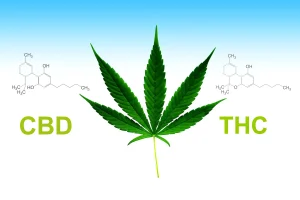
Because hemp plants contain only trace amounts of Delta 8 naturally, manufacturers typically create it by chemically converting and manipulating CBD into Delta 8 THC.
This conversion often involves laboratory reagents such as:
- Strong acids (commonly p-toluenesulfonic acid or hydrochloric acid)
- Organic solvents such as heptane, hexane, or toluene
- Additional purification processes and chemicals intended to remove unwanted byproducts
When performed properly under pharmaceutical-quality manufacturing standards, chemical conversions can be safe.
The problem is that many products sold outside regulated cannabis markets are not manufactured under those standards and are not independently verified for purity or residual chemicals.
Kratom and 7-OH Are Different Products
Kratom is often grouped together with cannabis products, but they're completely different. Kratom comes from the leaves of the Southeast Asian tree Mitragyna speciosa. By itself, it is a botanical product—not cannabis and not synthetic. However, many products now being sold in smoke shops aren't simply ground kratom leaves.
Instead, manufacturers produce highly concentrated extracts or products containing 7-hydroxymitragynine (7-OH)—one of kratom's naturally occurring alkaloids. Naturally occurring kratom contains only tiny amounts of 7-OH. Many commercial 7-OH products contain concentrations far beyond what occurs naturally and may be created through chemical conversion or other manufacturing processes to achieve those elevated levels.
The end result is a product that bears little resemblance to the original plant.
Why Manufacturing Matters
Consumers often focus on the active ingredient. What's just as important is everything else that may be left behind. Without rigorous testing, products may contain:
- Residual solvents
- Unreacted chemicals
- Unknown reaction byproducts
- Heavy metals
- Pesticides
- Microbial contamination
- Inaccurate potency levels
The average consumer has no way of knowing what's actually inside an unregulated product. The label may not tell the whole story.
The Difference Is Testing
Over the last several years, a wide range of intoxicating products have appeared in gas stations, smoke shops, vape stores, convenience stores, and online marketplaces.
These products have included:
- Delta 8 THC
- Hemp-derived THC products
- Intoxicating hemp beverages
- Kratom products
- 7-OH (7-hydroxymitragynine) products
- Other synthetic or hemp-derived intoxicating compounds
Many of these products have been sold outside Missouri's regulated cannabis framework, meaning they were not subject to the same testing, packaging, labeling, age verification, and safety requirements that licensed cannabis businesses must follow. As a result, Missouri regulators, lawmakers, and the Attorney General's Office have increased scrutiny of these products due to concerns surrounding consumer safety, manufacturing practices, product consistency, and youth access.
Recent enforcement actions and legislative efforts have focused on restricting or removing many intoxicating hemp-derived products from unlicensed retailers and moving qualifying THC products into Missouri's regulated cannabis marketplace.
Why Buying From a Licensed Dispensary Matters
Licensed dispensaries aren't just retail stores. They're part of a regulated system designed to protect consumers. Every product sold through a licensed Missouri dispensary is tracked from cultivation through final sale, tested by independent laboratories, and subject to state oversight. That's a level of accountability you simply won't find with products sold through many smoke shops, gas stations, or convenience stores.
The Nuthera Difference
At Nuthera, we don't believe consumers should have to guess what's in their cannabis. Our products are developed within Missouri's regulated cannabis program, tested by independent laboratories, and held to strict quality standards before they ever reach our retail partners. Our products follow stringent labeling and packaging rules because when it comes to cannabis, confidence starts with knowing exactly what's inside the package.
The Bottom Line
Whether you're considering Delta 8, cannabis, kratom, or 7-OH products, one thing matters above all else: consumer safety.
Products sold outside Missouri's regulated cannabis program may not undergo the same rigorous testing, manufacturing oversight, or quality verification required of licensed cannabis products. When you purchase from a licensed Missouri dispensary like Fresh Karma, you're choosing products that have been independently tested for potency, contaminants, and consistency before they ever reach the shelf.
That's why licensed dispensaries remain the safest place to purchase THC and cannabis products, and why Nuthera is committed to providing products you can trust.
Stay curious. Stay informed. And as always, consume responsibly.
Disclaimer:
The content provided on the Nuthera blog is intended for informational and educational purposes only and should not be interpreted as medical advice, diagnosis, or treatment recommendations. Statements made regarding cannabis products have not been evaluated by the Food and Drug Administration. Cannabis may affect individuals differently, and readers should consult their primary care physician or another qualified healthcare professional before using cannabis for any medical or health related purpose. Always consume responsibly and in accordance with applicable local and state laws.